
Ballistic Runflat Systems: NATO STANAG 4684 Kinetic Shock & Mine Blast Survivability
How ballistic runflat systems withstand direct 7.62mm, 12.7mm AP rounds and anti-tank mine shockwaves to keep armored combat vehicles rolling at 50+ km/h without loss of control.
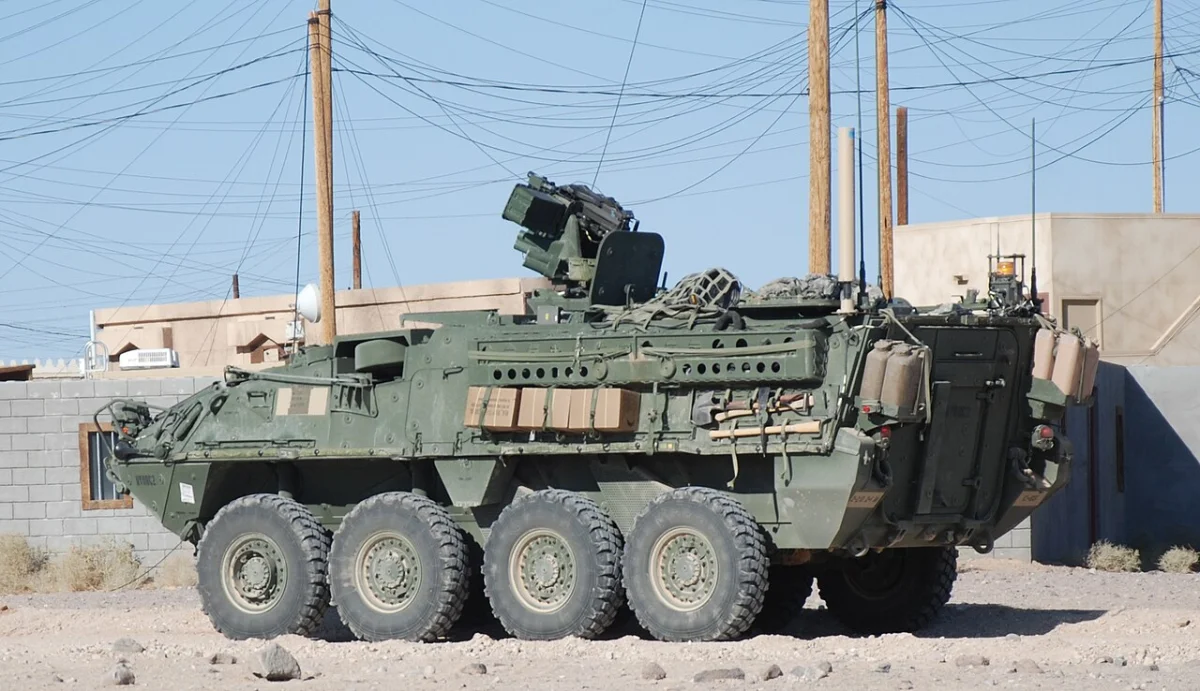
In asymmetric combat theaters, vehicle wheels and running gear are primary targets for sniper fire, heavy machine gun rounds (12.7mm AP / 14.5mm), and underbelly blast fragmentation from Improvised Explosive Devices (IEDs). High-performance ballistic runflat systems provide the vital structural bridge that prevents an immobilized combat vehicle from becoming a stationary target in an ambush kill zone.
Ballistic Penetration Resistance & Fragment Dissipation
Conventional rubber and low-grade polymers shatter or deform permanently when struck by high-velocity armor-piercing kinetic rounds. REPA's ballistic-grade runflat inserts utilize proprietary composite polymers that exhibit superior energy absorption characteristics:
- Self-Limiting Fracture Dynamics: Direct projectile strikes do not propagate cracks across the insert circumference, preserving the structural arch integrity.
- Thermal Dissipation Under Friction: When operating on flat tires at 70 km/h, friction between the tire carcass and runflat insert creates extreme temperatures exceeding 120°C. REPA runflats incorporate internal heat-stabilizing additives to prevent core softening or combustion.
- CTIS Integration: Ballistic puncture of the tire wall is mitigated by the mechanical support of the insert, allowing the vehicle to maintain highway escape speeds even after total loss of internal pneumatic pressure.
Rigorous STANAG 4684 Testing Protocols
REPA military runflat inserts undergo verified field trials conforming to NATO STANAG 4684 and FINABEL A.20.A standards. Vehicles are tested over mixed terrain—including asphalt, gravel, and sand—for 50 to 100 kilometers under full combat gross vehicle weight (GVW).