
Dynamic Zero-Pressure Testing: FINABEL A.20.A & STANAG 4684 Ballistic Runflat Protocols
How armored vehicle runflats are rigorously tested under FINABEL A.20.A and NATO STANAG 4684 protocols. Evaluating zero-pressure distance, steering control, and thermal endurance.
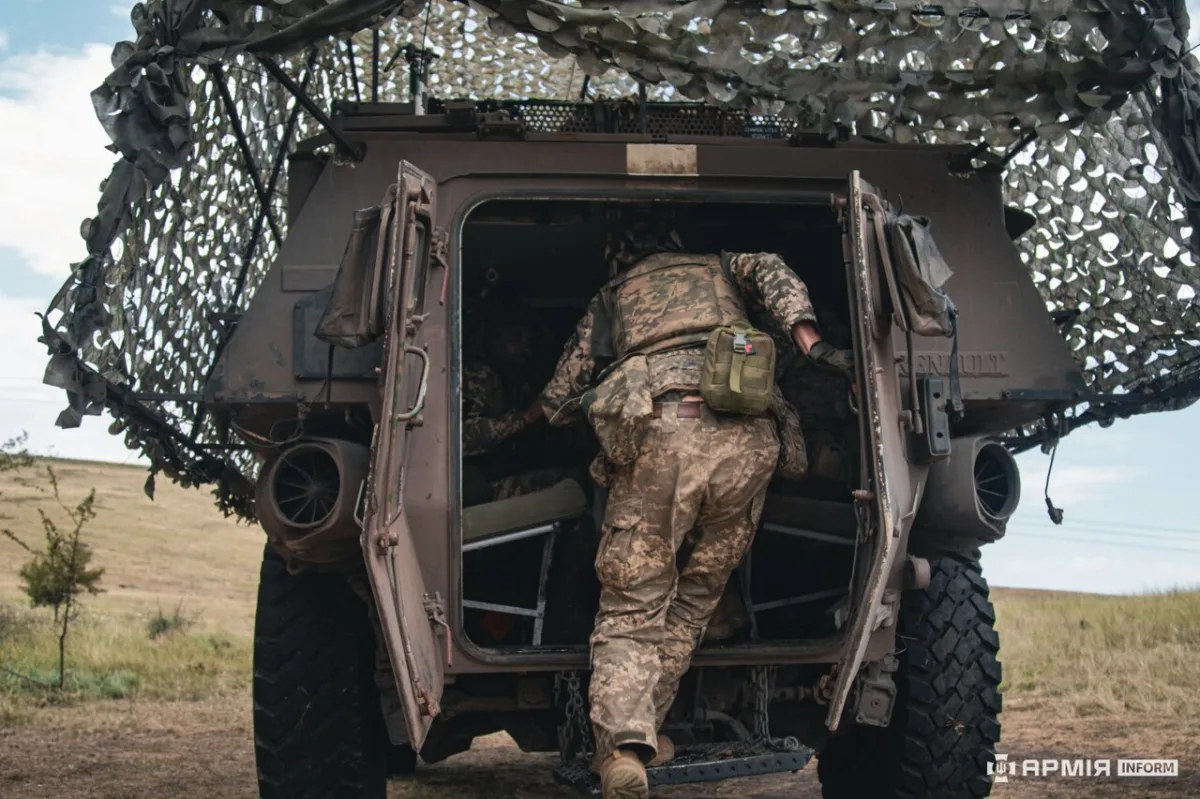
To qualify as true ballistic runflat systems, inserts must undergo demanding dynamic test regimens conducted under standardized international defense agreements. The two universally recognized benchmarks are NATO STANAG 4684 and FINABEL Agreement A.20.A.
The FINABEL A.20.A Dynamic Test Standard
The FINABEL A.20.A protocol is specifically designed to prove that a wheeled combat vehicle can escape an active ambush zone and travel to safety with completely deflated tires:
- Deflation Phase: Tire pressure is reduced to 0.0 bar (zero psi) via rapid ballistic valve discharge or controlled sidewall puncture.
- Escape Speed Sprint: The vehicle immediately accelerates to a minimum speed of 50 km/h (often up to 70 km/h on paved highway segments) for a distance of at least 3 km to simulate leaving the ambush zone.
- Sustained Cross-Country Endurance: The vehicle must then complete a minimum endurance course of 50 km (with extended variants requiring 100 km) over mixed asphalt, rough gravel, and undulating dirt tracks.
- Post-Test Inspection: The tire carcass, beadlock clamp, and internal runflat insert are inspected. There must be zero bead slippage, no rim damage, and no thermal combustion of the insert material.
Engineering Proven Reliability
Every REPA military runflat system is engineered to satisfy these demanding endurance criteria, providing defense forces with proven combat reliability when it matters most.